

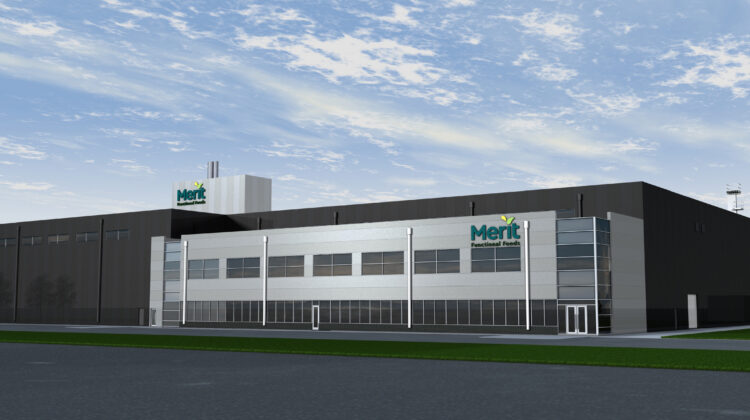
Bell Canada is quietly extending its national AI infrastructure footprint into Manitoba, with a new data centre project underway at a shuttered food processing facility just outside Winnipeg.
The development, first reported by Data Center Dynamics, will see Bell establish a presence at the former Merit Functional Foods plant in CentrePort, a major logistics and industrial hub near Winnipeg’s airport.
According to the report, the 94,000-square-foot facility is being converted into an AI data centre with an expected capacity of roughly 5.5 megawatts—relatively modest compared to hyperscale builds, but indicative of a broader, distributed approach to AI infrastructure deployment.
Bell has not issued an announcement about the Winnipeg site. However, the project appears to align with the company’s recently launched Bell AI Fabric, a national initiative aimed at building sovereign AI compute capacity across Canada.
The Winnipeg facility represents a notable example of adaptive reuse in the data centre sector. Originally opened in 2021 as a high-profile plant designed to process pea and canola protein, the Merit Functional Foods facility entered receivership within two years. Repurposing the site for digital infrastructure allows Bell to leverage existing industrial zoning and power access while accelerating time to deployment.
Construction activity at the site reportedly includes structural upgrades and the installation of core data centre infrastructure such as generators, chillers, and transformers.
While small in scale compared to Bell’s larger AI ambitions—including a previously reported multi-hundred-megawatt project in Saskatchewan—the Winnipeg node underscores a growing trend toward regional and edge-oriented AI capacity.
Rather than concentrating compute in a handful of massive campuses, Canadian telecom and infrastructure players are increasingly building out a network of mid-sized facilities to support latency-sensitive workloads, enterprise adoption, and data sovereignty requirements.
The CentrePort location also highlights the emerging role of logistics and industrial zones as viable hubs for digital infrastructure, particularly in markets with available land and access to power.
As demand for AI compute continues to surge, projects like the Winnipeg conversion suggest that Canada’s next wave of data centre growth may be as much about repurposing existing assets as it is about building from the ground up.